
blog post
Addressable vs. Conventional Fire Detection Systems: Key Differences and the Best Choice for 2025
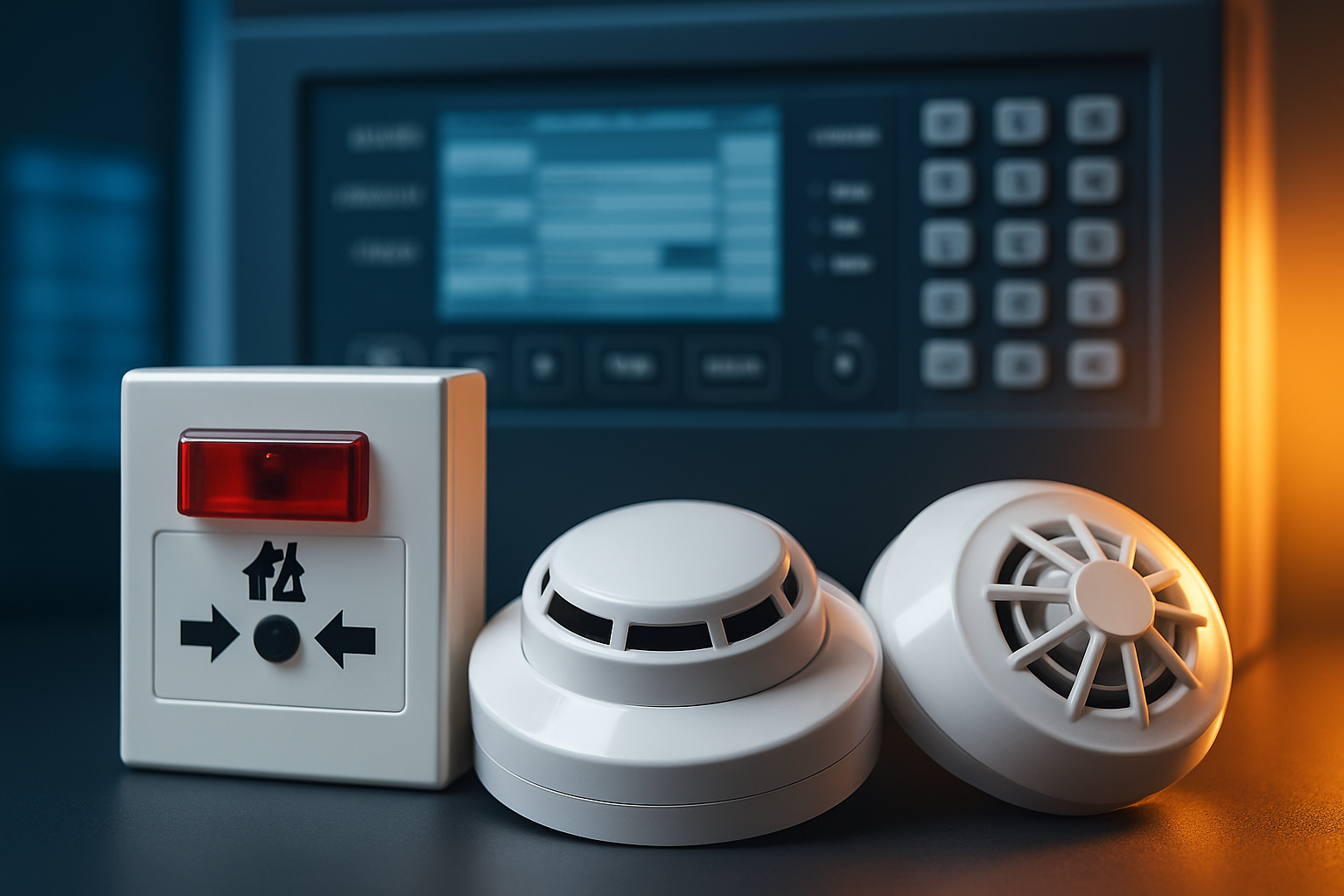
Fire detection systems are critical for the safety of any structure. However, not every building has the same requirements. Therefore, understanding the differences between addressable and conventional systems is essential not only for safety but also for regulatory compliance.
🧯 Conventional fire detection systems are typically used in small to medium-sized buildings. In this setup, detectors are grouped into zones, and in the event of an alarm, the control panel only indicates which zone is in alarm. For example, it might show "3rd floor east corridor" but cannot pinpoint the exact detector that triggered the alarm. These systems use 2-wire cabling and require separate wiring for each zone, which can increase installation costs in larger buildings.
🏢 Addressable fire detection systems, on the other hand, are designed for larger, more complex, and high-risk structures. Each detector has a unique address, allowing the panel to identify the precise location of the fire. These systems typically use loop wiring, ensuring communication can continue even if the cable is cut at one point. They also monitor faults such as short circuits, open circuits, or detector contamination directly via the panel.
📡 The control panels in addressable systems can play different messages for each zone and allow priority settings (e.g., fire alarms override background music). These systems also support live announcements via emergency microphones.
📜 In Türkiye, the Regulation on the Protection of Buildings from Fire mandates the use of addressable systems in certain facilities. This includes buildings over 51.5 meters in height, those with more than 5,000 m² of indoor space, and public buildings like hotels, hospitals, and shopping centers. All equipment must bear CE marking and comply with EN 54 standards (e.g., EN 54-2, EN 54-4, EN 54-16, EN 54-24).
🔍 Technically, addressable systems may be more expensive but provide crucial benefits like early detection, detailed fault monitoring, scenario-based automation, and easier maintenance, making them indispensable in larger buildings. Conventional systems remain a cost-effective option for smaller projects like offices, workshops, and apartment buildings.
✅ In summary: Addressable systems offer high sensitivity, faster and more accurate fire detection, safer evacuations, and smart control features, while conventional systems provide a simpler, budget-friendly setup for smaller-scale needs.