
blog post
What is ONVIF? 📡 The Role of the Standard in IP Camera Integration in 2025 🔐
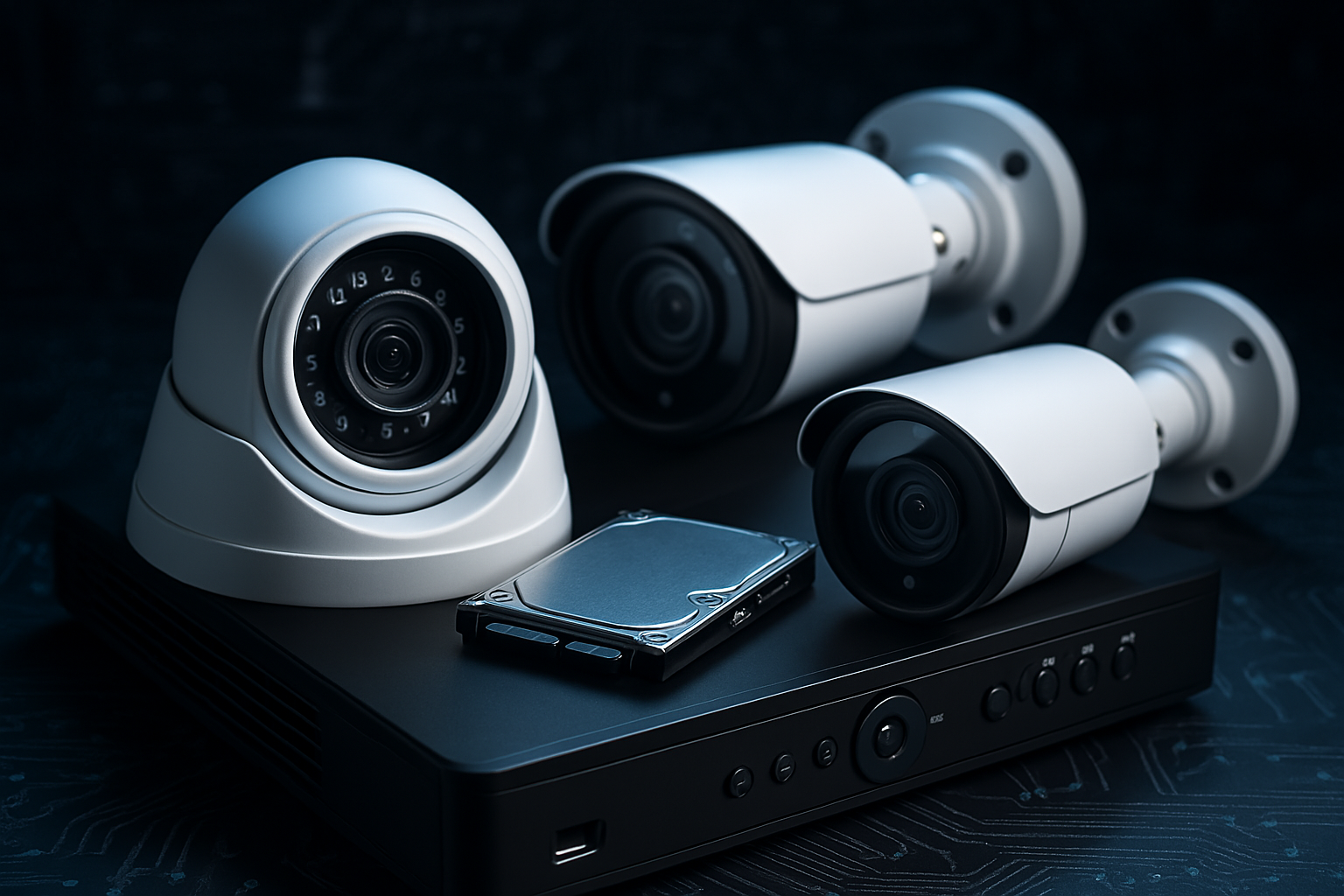
Modern security systems are no longer just about placing a camera. 🚨 Advanced IP camera systems now offer remote access, AI-powered analytics, and multi-device management, making them far more complex. For these systems to work together seamlessly, a universal language is essential — and that’s where the ONVIF standard comes in. 👇
🔍 What is ONVIF?
ONVIF (Open Network Video Interface Forum) is an open and global standard founded in 2008 by leading brands such as Axis, Sony, and Bosch. Its goal is to ensure interoperability between IP-based security products such as cameras, NVRs, and video management software.
Thanks to ONVIF, devices from different brands (e.g., a Hikvision camera and a Dahua NVR) can work together seamlessly on the same system. 🔁
💡 Why ONVIF is So Important in 2025
🔸 Corporate security systems consist of dozens of devices: cameras, recorders, software...
🔸 These devices are often from different manufacturers, complicating integration.
🔸 ONVIF eliminates this problem, simplifying system setup and scalability.
📌 Example:
In a shopping mall or hospital, the existing system may be built with Dahua devices, but new cameras could be from Uniview. With ONVIF, you don’t need to replace the entire system — new devices can be integrated easily. 🔁
🧩 What are ONVIF Profiles? (2025 Updated Guide)
ONVIF provides several profiles, each designed for different use cases and functionalities:
📌 Profile S – Supports live video, PTZ control, and event notification
📌 Profile G – Handles video recording and playback (especially for NVRs)
📌 Profile T – Supports H.265 video compression, advanced analytics, and encryption
📌 Profile M – Designed for metadata such as face recognition, license plate detection, AI analytics
🛠️ For new installations, Profile S and T should be the minimum requirement. If you’re using AI-powered devices, Profile M is essential.
🧠 What Problems Does ONVIF Solve?
✅ Eliminates brand dependency
✅ Makes adding new devices easy
✅ Speeds up spare part and device procurement
✅ Preserves existing infrastructure, reducing cost
✅ Simplifies project management and scaling
📅 What to Check When Choosing ONVIF-Compliant Devices in 2025
🧪 Is it truly ONVIF-compliant?
Some devices claim ONVIF support but only offer limited compatibility. Always verify at: www.onvif.org/conformant-products
⚙️ Does the manufacturer provide firmware updates?
ONVIF profile support often depends on the latest firmware, so a strong update policy is critical.
🖥️ Is your VMS (Video Management Software) also ONVIF-compliant?
The camera alone isn't enough — your software must also speak the same ONVIF protocols.
🏢 Corporate Applications of ONVIF
The ONVIF standard makes a major difference in the following environments:
🏥 Hospitals
🏫 Schools and campuses
🏛️ Government buildings
🏢 Corporate offices and factories
🛒 Shopping malls and retail chains
In these types of facilities, devices purchased in different years must still work together — without tearing down the entire system.
🔚 Conclusion
As of 2025, ONVIF is no longer just an option — it’s a necessity.
By enabling seamless integration between products from different brands, this open standard helps reduce project costs and creates a future-ready security infrastructure.